Sustainability & Society
Sustainability is engineered into the technical design, not added as a marketing layer.
Energy, water, materials, land and community value are treated as design inputs from the earliest stage of a development, assessed and tracked project by project rather than claimed in general terms.
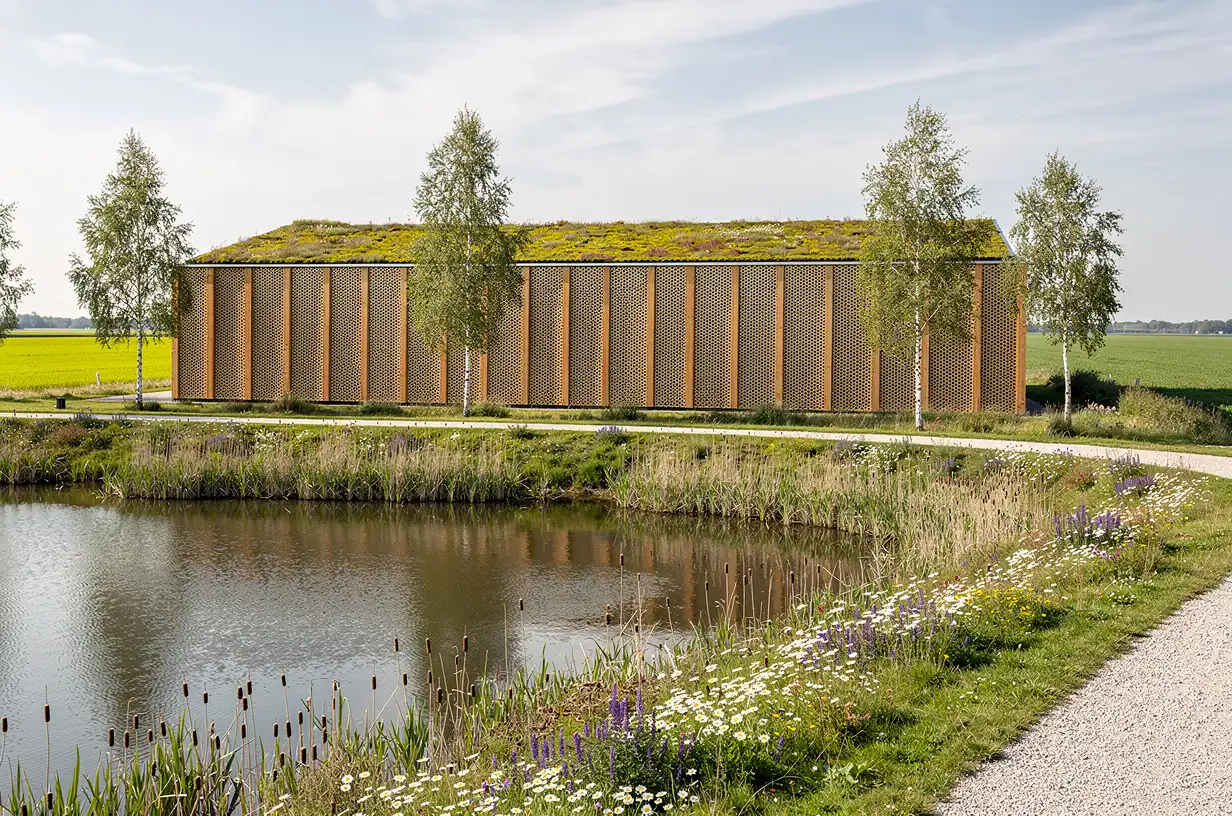
Energy & carbon
How power is sourced and managed.
Carbon-aware power management
01Power draw is managed with carbon intensity in mind, shifting flexible load and storage use toward periods when the grid mix is cleaner.
Grid flexibility
02Storage and load management are designed to support grid stability in the surrounding region, not only the site’s own continuity of supply.
Water & heat
How cooling and heat are handled.
Water-conscious cooling
01Cooling systems are selected and sized to limit water consumption, with the configuration matched to climate and site rather than applied as a single default.
Heat recovery
02Heat generated by compute and cooling equipment is captured at the source, ready for recovery rather than dissipated to the atmosphere.
Heat reuse
03Where a nearby off-taker exists, such as greenhouse horticulture or a district heating network, recovered heat is engineered for reuse rather than treated as waste.
Cooling
Cooling capacity, matched to climate and site.
Cooling infrastructure is designed alongside power and heat-recovery systems in the same technical process, not selected as an isolated component.
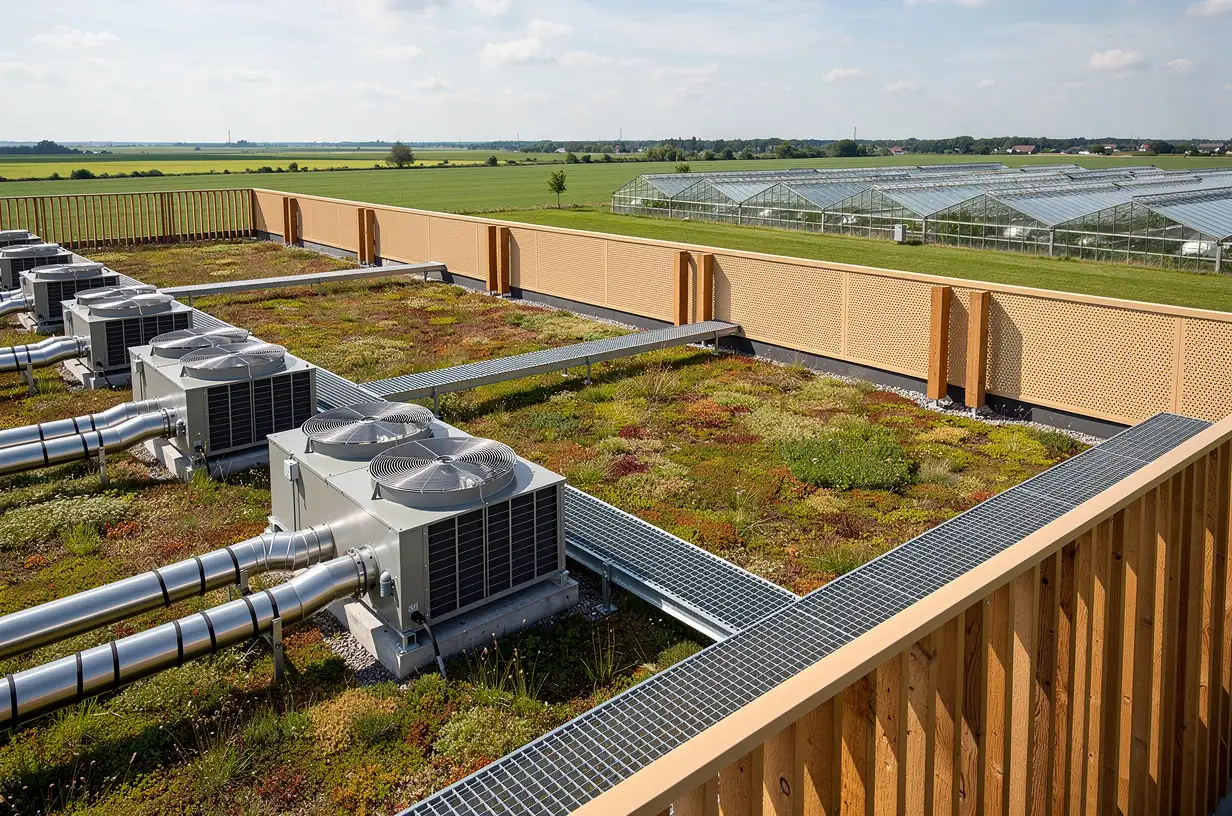
Materials & land
How construction and land are approached.
Circular construction
01Construction methods and material choices favor reuse, recyclability and lower-impact alternatives where technically and commercially viable.
Embodied carbon
02The carbon embedded in construction materials and methods is assessed alongside operational carbon, not considered separately from it.
Compact land use
03Developments are designed to make efficient use of land, concentrating high-density infrastructure rather than spreading it across a larger footprint than the project requires.
Landscape integration
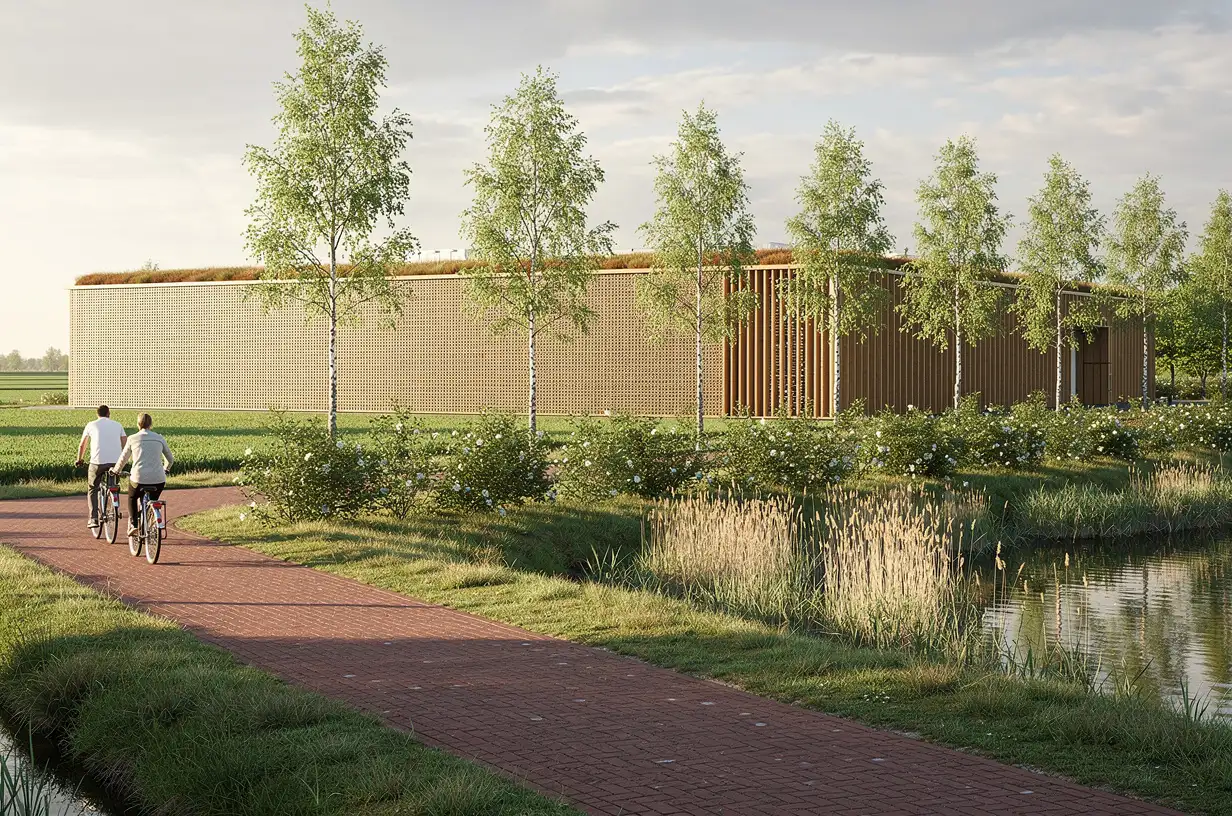
04Site design accounts for the surrounding landscape, from building massing to buffer zones and sightlines, rather than treating the exterior as an afterthought.
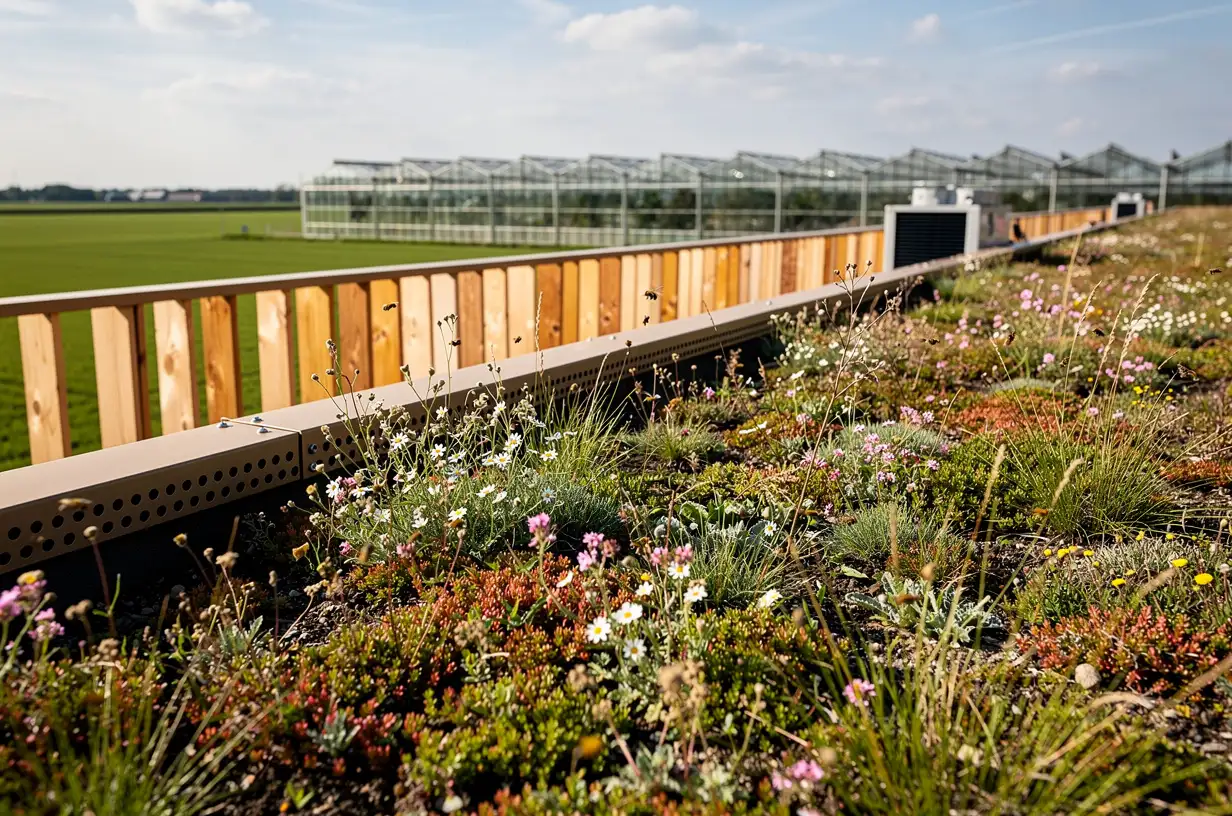
Biodiversity
05Ecological assessment and, where relevant, biodiversity measures are part of the site design process from an early stage.
People & region
How value returns to the surrounding area.
Local employment
01Development activity and, later, operations create employment opportunities in the region surrounding a site.
Regional economic development
02A development is assessed for its contribution to the regional economy, alongside its technical and energy performance.
Measurable community value
03Community value, such as local employment, heat off-take or regional investment, is tracked as part of a project rather than asserted without evidence.
Performance Framework
Sustainability, measured per project.
Every category below is defined and assessed per project. No target values or results are published here until independently validated.
GreenDatacenters Performance Framework 17 CATEGORIES
Green, measured. Not marketed.
PUE
WUE
CUE
Energy origin
Renewable-energy matching
BESS and flexibility
Recovered heat
Reused heat
Responsible water use
Embodied carbon
Lifecycle carbon
Operational NOx
Avoided diesel use
Nitrogen deposition
Land-use efficiency
Local energy contribution
Community value
Categories only. Each one is defined per project, and no target value is published before it has been independently validated.