Developing Europe's greenest and most community-integrated data centers.
Data centers built for AI.
Designed for society.
GreenDatacenters develops compact, high-density data center solutions of approximately 100–150 MW, integrating power, fiber, cooling, energy storage and heat reuse within a limited land footprint.
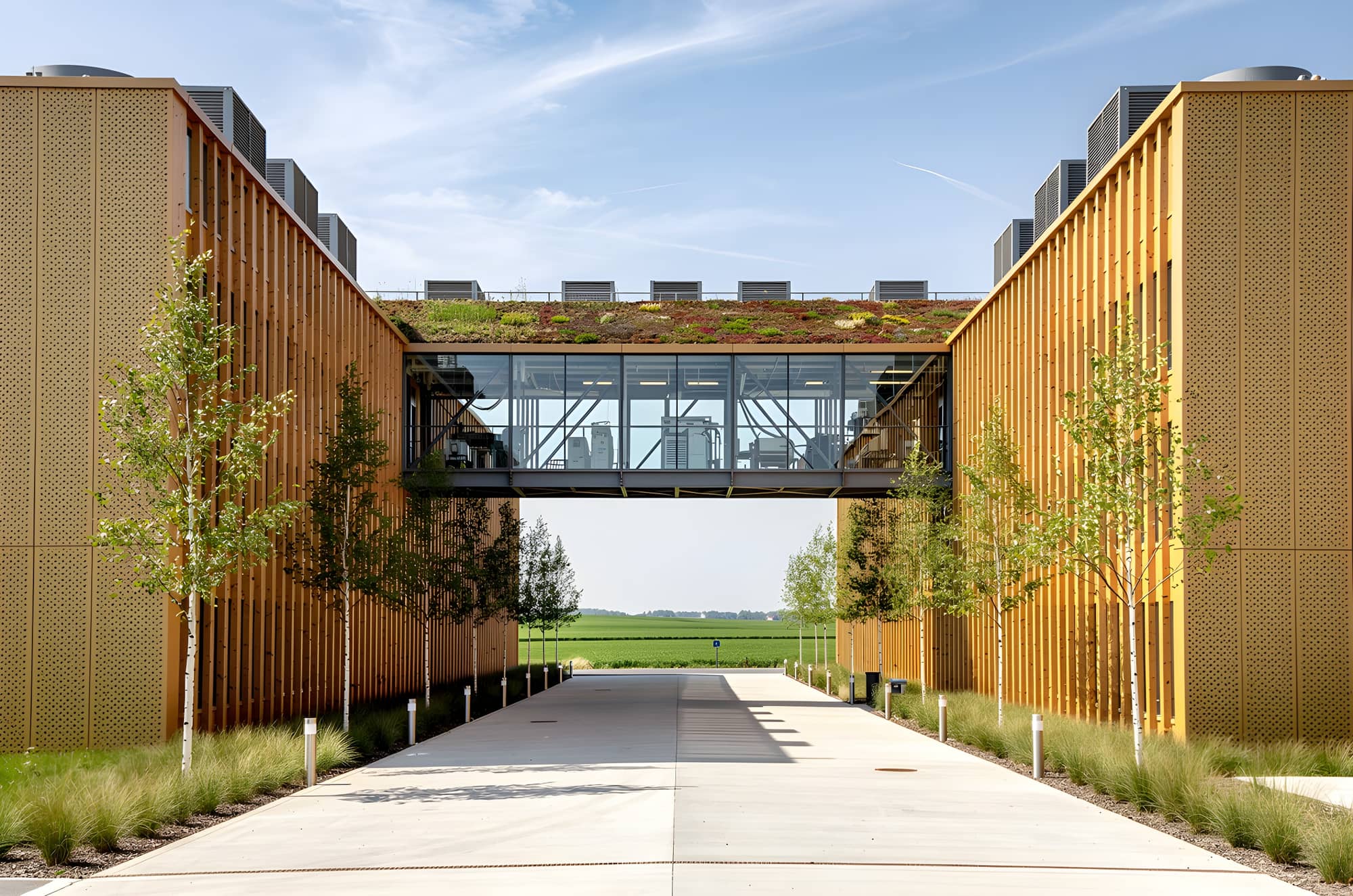
100–150 MW developments
Focus
Integrated · multi-building
Model
Europe
Region
A GreenCenters platform
Status
Explainer
What is a data center?
A data center is the physical foundation of the digital world, powering AI, cloud services, healthcare, finance, streaming and public infrastructure. These systems operate continuously and require reliable power, cooling, fiber connectivity and security.
GreenDatacenters designs these components as one integrated technical system, combining digital infrastructure with renewable energy, battery storage, resilient connectivity, efficient cooling and the reuse of heat for the surrounding community.
Megawatts (MW) measure the electrical capacity available to a data center’s computing infrastructure. A development of approximately 100–150 MW is a large-scale, high-density digital infrastructure site, sized to support demanding computing and AI workloads while integrating the power, cooling and connectivity needed to run continuously.
Final grid capacity, IT load and technical configuration are always validated per project.
Value chain
From digital demand to local value.
Every development starts with digital demand and ends with measurable value for its surroundings, with power, cooling and heat recovery engineered as the connecting steps in between.
- 01 Digital demand AI, cloud and high-performance computing workloads looking for capacity in Europe.
- 02 Power and grid Grid connection, battery storage and flexibility designed as one energy position.
- 03 Data center development Compact, high-density and multi-building, at approximately 100–150 MW.
- 04 Cooling and heat recovery Shared cooling, with heat captured and upgraded where required.
- 05 Local value Heat for greenhouse horticulture, energy-system support and community integration.
Conceptual development model
Our model
Four pillars, one system.
High-Density Infrastructure
Compact, multi-building developments concentrate computing capacity on a limited land footprint, engineered for the density that modern AI and HPC workloads require.
Integrated Energy
Grid connection, battery storage and, where relevant, hydrogen fuel cells are designed as one energy system rather than separate additions, supporting resilient and flexible operation.
Connected by Design
Diverse fiber entry routes and resilient power distribution are planned from the earliest design stage, so connectivity and power reinforce each other instead of competing for space.
Heat for Society
Heat generated by the data center is captured, upgraded where required and made available to surrounding uses such as greenhouse horticulture, turning a by-product into local value.
Integrated model
How the components connect.
Grid connection, battery storage, shared cooling, diverse fiber routing and heat recovery are mapped as one technical system, not a collection of separate installations.
Conceptual development model
Performance
How we measure performance.
Every category in the GreenDatacenters Performance Framework is published without invented target values, and is validated per project as designs mature.
GreenDatacenters Performance Framework 17 CATEGORIES
Green, measured. Not marketed.
PUE
WUE
CUE
Energy origin
Renewable-energy matching
BESS and flexibility
Recovered heat
Reused heat
Responsible water use
Embodied carbon
Lifecycle carbon
Operational NOx
Avoided diesel use
Nitrogen deposition
Land-use efficiency
Local energy contribution
Community value
Categories only. Each one is defined per project, and no target value is published before it has been independently validated.
Clean Resilience
Resilience beyond diesel.
GreenDatacenters evaluates battery storage, hydrogen fuel cells and intelligent energy management as alternatives to conventional diesel-based backup power. The objective is to reduce local NOx emissions, particulate matter, noise and fossil-fuel dependency.
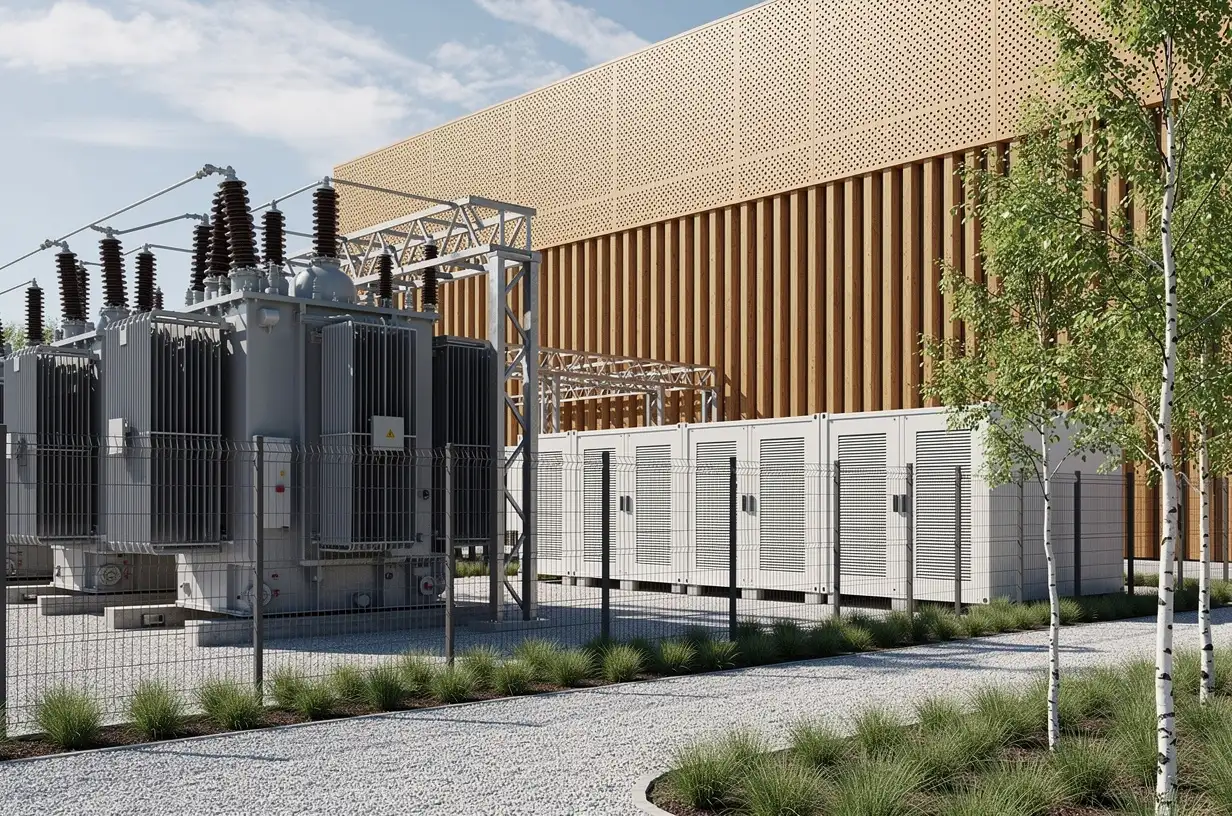
First project
A development already underway.
Project Zevenhuizen demonstrates the integrated model in practice, on a compact footprint in South Holland.
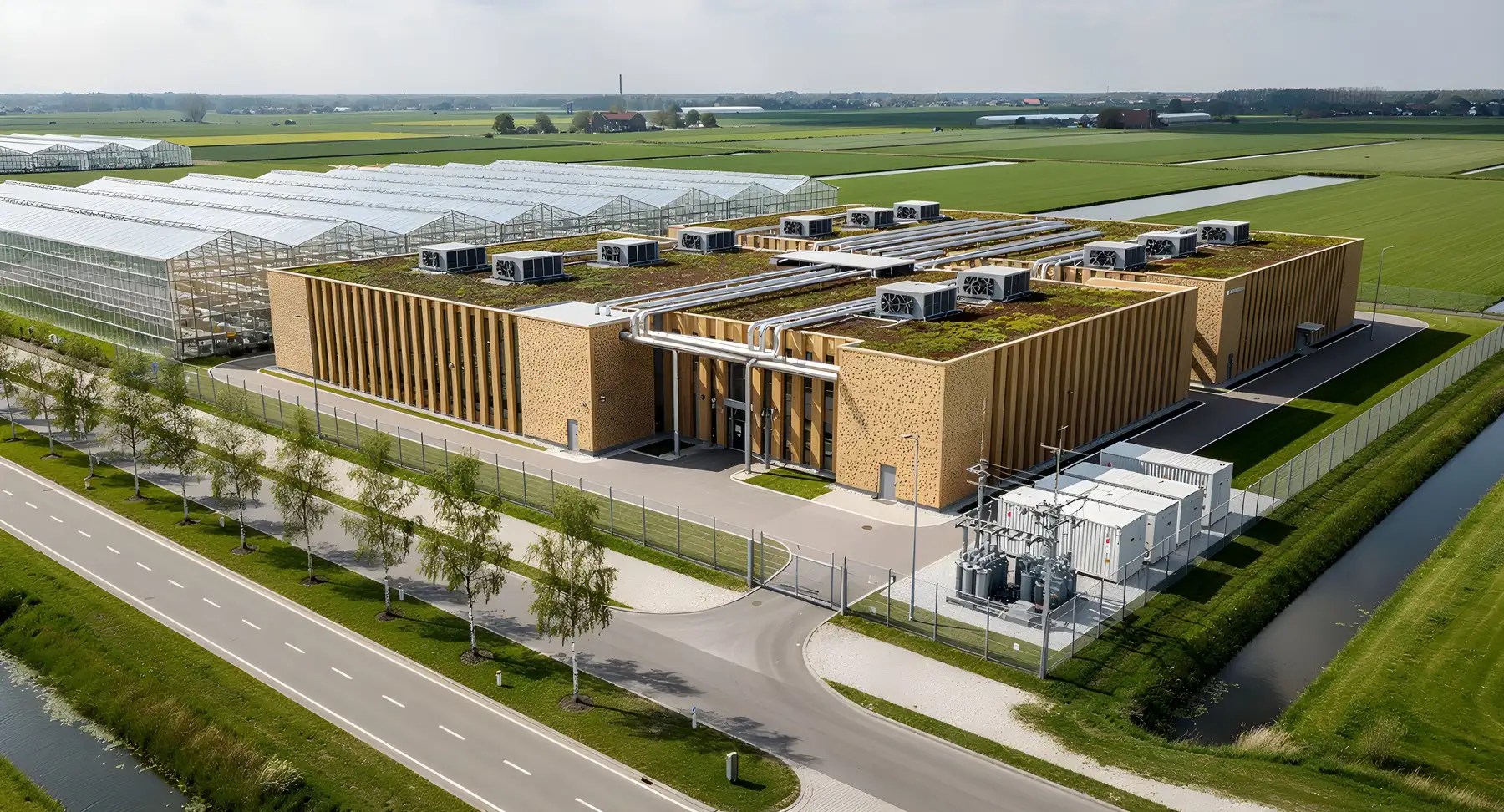
Partnerships
We develop the solution. Together, we deliver the infrastructure.
Operator, capital, energy, knowledge and regional partners join the development line at the stage that matches their role.
Get in touch